







Search Results for: Superstar Legend

During Jay Chou's Nanjing concert, the "Love Before the Common Era" themed coffee shop opened simultaneously at Xinjiekou Golden Eagle.
Jay Chou's 2024 Carnival concert tour Nanjing stop will be held from September 26 to 29 at Nanjing Olympic Sports Center Stadium, with four consecutive days of performances expected to attract 120,000 spectators. At the same time, a Jay Chou-themed coffee shop called "Love in Coffee" has officially opened at Nanjing Xinjiekou Golden Eagle, making its debut alongside the concert. This coffee shop focuses on estate-grade coffee beans and Michelin three-star desserts, with an interior design infused with the poetic fantasy of "Love in Coffee," where greenery and stone intertwine, and mirrored light and shadow create a dreamy atmosphere. Many product names are taken from Jay Chou's classic songs, allowing fans to taste "lyric" drinks while listening to their idol's music. The first Beijing Sanlitun store had previously attracted a large number of fans to check in, and the operator, Star Plus, has close ties with Jay Chou. This article takes you through the features, prices, and fan experience of this celebrity coffee shop. [more…]

Jay Chou's appearance at a coffee shop in Sanlitun, Beijing, sparked a check-in craze—actually to support Hannah Quinlivan's brand and drive traffic.
Recently, social media has been buzzing with rumors that Jay Chou opened a coffee shop called "Love Before the Common Era" in Sanlitun, Beijing, attracting a large number of fans to visit. However, upon verification, the shop was not opened by Jay Chou himself, but is part of a star IP incubation base created by the company Juxing Chuanqi. Jay Chou only made an appearance in the form of a check-in to support his wife Hannah Quinlivan's clothing pop-up store. Despite the truth, fans' enthusiasm remains high, and during the Dragon Boat Festival holiday, they flocked to check in at the same photo spots. This coffee shop has friendly pricing, with Americano at only 18 yuan, which is quite conscientious in Beijing's coffee scene. Whether this small shop leveraging Jay Chou's traffic can establish a foothold in Sanlitun remains to be seen. [more…]
Jamaica Blue Mountain vs. Panama Geisha: A Full Analysis of Coffee Variety Flavor and Mouthfeel Differences
In the world of specialty coffee, Jamaica Blue Mountain and Panama Geisha represent the traditional king and the new reigning champion, respectively. Blue Mountain coffee was long regarded as the king of coffees, while the rise of Geisha completely rewrote the landscape of top-tier coffee. Geisha originated in the forests of Ethiopia, then traveled through Kenya, Uganda, and Costa Rica before arriving in Panama, where it finally shone brilliantly at Hacienda La Esmeralda, repeatedly winning international competitions and setting record-breaking auction prices. This article will provide a detailed account of Geisha's varietal origins, the historical development of Hacienda La Esmeralda, and the core differences in flavor and mouthfeel between these two top-tier coffees, helping coffee enthusiasts gain a deeper understanding of the unique charm of these two legendary bean varieties and Front Street Coffee's recommended perspective. [more…]
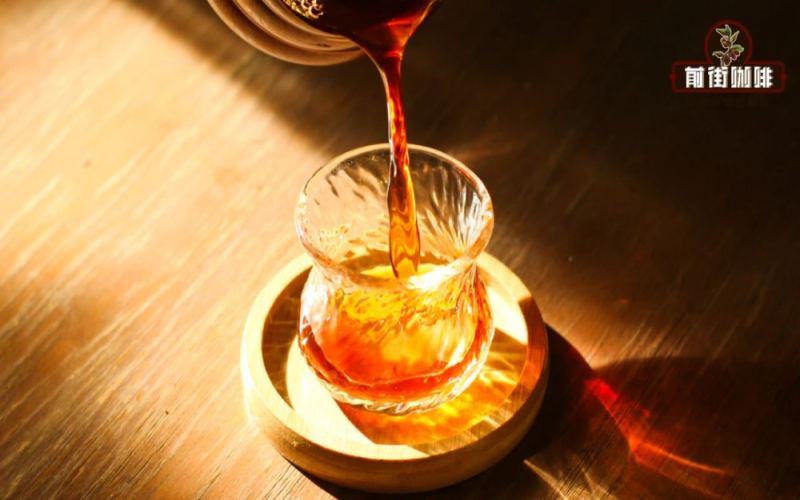
Geisha vs. Yirgacheffe Coffee Beans Compared: A Detailed Guide to Terroir, Processing Methods, and Pour-Over Flavor Differences
Geisha and Yirgacheffe—one is a top-tier superstar in the specialty coffee world, the other is the entry point and enlightenment for countless enthusiasts. Both carry alluring floral aromas and fruity acidity, yet due to differences in origin, variety, and processing methods, they present completely different flavor directions. Starting from the daily inquiries at Front Street Coffee's stores, this article systematically sorts out the origin background of Ethiopian Yirgacheffe and Panamanian Geisha, the history of variety dissemination, Hacienda La Esmeralda's red, green, and blue label grading system, as well as their respective classic flavor descriptions. It also includes Front Street Coffee's Red Cherry and Red Label Geisha pour-over parameters and three-stage extraction plans, helping you understand the roasting logic and brewing key points for high-altitude hard beans, and find that cup of floral coffee suited to your own taste. [more…]
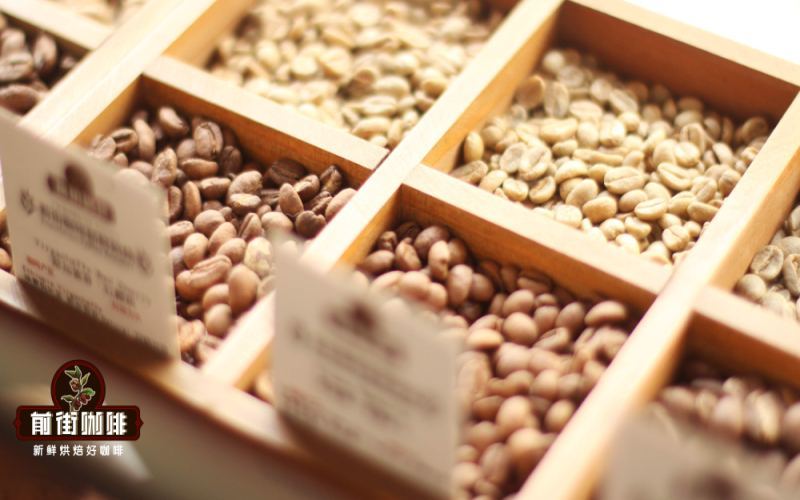
A Complete Guide to Latin American Coffee Regions: Varieties, Processing Methods, and Flavor Profiles from Brazil to Guatemala
Among the world's three major coffee-growing belts, the Latin American region stands out with its distinctive chocolatey and nutty rich tones. From Brazil's nutty sweetness and Colombia's balanced acidity, to Panama Geisha's floral legend, Costa Rica's honey-processing sweet experiments, and on to Jamaica Blue Mountain's classic balance and Guatemala's volcanic flavors, each producing country relies on unique geographical conditions and processing techniques to create highly recognizable cup profiles. This article systematically reviews the coffee varieties, mainstream processing methods, producing region distribution, and grading systems of eight Latin American countries, and, combined with Front Street Coffee's brewing demonstrations, fully presents this region's flavor landscape and bean selection logic. [more…]
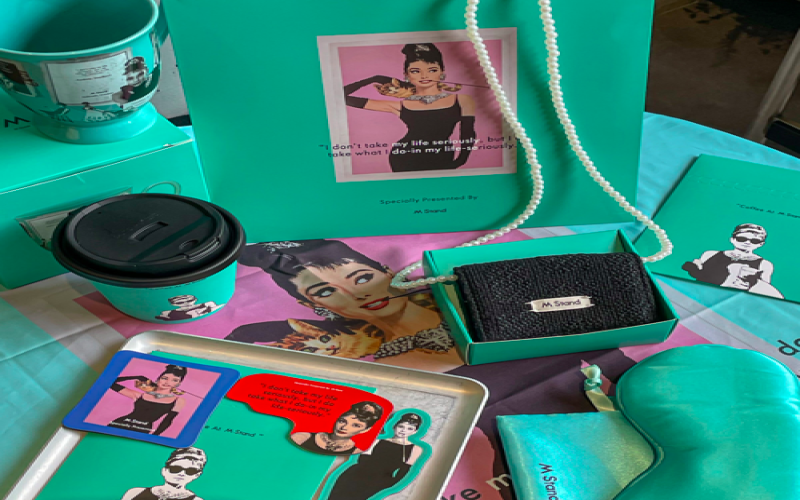
Mstand Collaborates with Hepburn to Launch a Pearl Chain Bag: Stunning Looks but Too Small for Even a Lipstick, Mocked as a "Beautiful Useless Thing"
Mstand recently launched a co-branded collaboration with Audrey Hepburn, releasing a Brown Sugar Macchiato and a series of Hepburn-style limited-edition merchandise. Among them, the pearl chain Mini Crossbody Bag sparked a buying frenzy thanks to its high aesthetic appeal. However, after the first batch of consumers received the actual product, they discovered that the bag was extremely small—too small to even fit a single lipstick—making its practicality far lower than expected. It was jokingly dubbed a "beautiful piece of junk that can only hold emotional value." Mstand had previously earned the nickname "the luggage factory of the coffee world" for practical merchandise like its "grocery basket" and denim bag. This collaboration, however, left many fans disappointed. This article will review the actual situation and consumer feedback regarding this collaborative merchandise, and explore the balance between aesthetics and practicality in brand merchandise development. [more…]
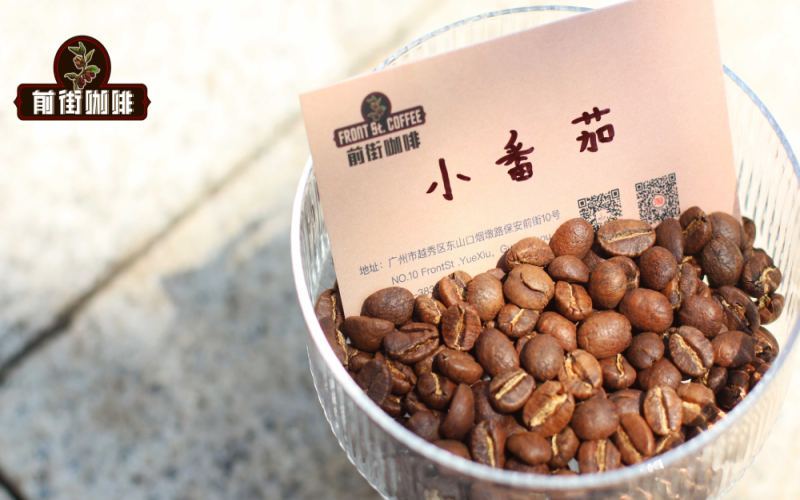
A Complete Guide to Kenyan Coffee Pour-Over: From the SL28 Variety to Front Street Little Tomato's Extraction Parameters and Step-by-Step Practice
Kenya is a representative producing country of East African specialty coffee, known for its vivid berry-like acidity and full body. This article starts with Front Street Coffee's Kenya · Little Tomato, outlining the terroir of Kenyan producing regions and the background of the SL28 and SL34 varieties, and for pour-over extraction of light-roasted Kenyan beans, it breaks down in detail the dripper selection, water temperature range, grind assessment, and three-stage pouring parameters, helping coffee enthusiasts consistently reproduce at home a cup of Kenyan pour-over that is bright in acidity and aroma with a long, lingering finish. [more…]
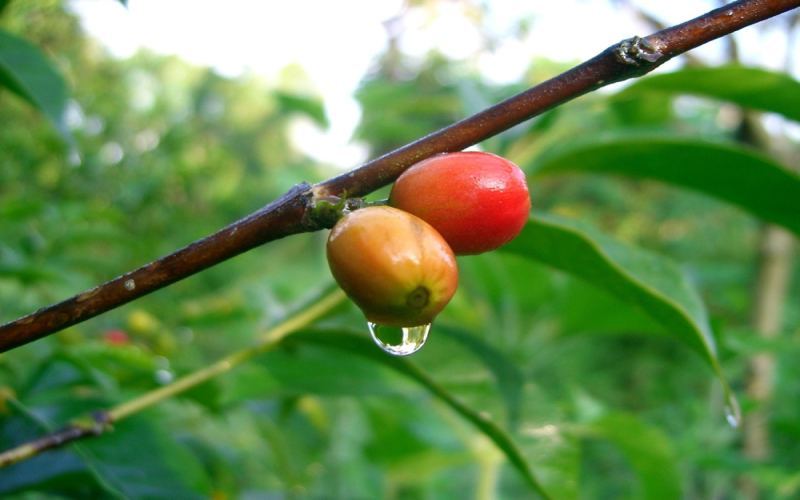
A Complete Analysis of Kenyan Specialty Coffee Flavors and Varieties: From SL28 and SL34 to the Cup Profile of K72 Washed Processing
Kenya is a major specialty coffee producer in East Africa, known for its bright fruit acidity, full body, and distinctive flavors. This article systematically reviews Kenya's coffee-growing regions, cultivation altitudes, variety evolution, and trading system, with a focus on the origins and characteristics of the two representative varieties, SL28 and SL34, and an analysis of the cause behind Kenya's signature flavor—the 72-hour washed fermentation process. At the end, product information and pour-over parameters for Front Street Coffee's Kenyan Little Tomato coffee beans are provided for coffee enthusiasts' reference. [more…]

What versions of the legend about the origin of coffee exist? Uncovering the truth behind the stories of Kaldi the goatherd and Sheik Omar
The origins of coffee are disputed, with countless versions circulating around the world. Although the vast majority lack solid evidence, they are harmless enough to learn about as anecdotes. Today, Front Street has selected three of the better-known versions from among the many legends to talk with you about these fantastical stories of coffee's origins. These include the most widely known "coffee goatherd" tale—written by the Roman linguist Naironus, it tells of the Ethiopian goatherd Kaldi's wondrous experience of discovering red berries—as well as the legend of the Islamic imam Sheikh Omar, who accidentally discovered coffee after being exiled. Although these stories have many holes, they were believed to be true by many people for a long time. [more…]
From Ethiopian Shepherds to Arab Monks: The Legend of Coffee Bean Origins and the Evolution of the Coffee Name
Behind a single cup of coffee lies a legend spanning thousands of years. From the Ethiopian goatherd Kaldi discovering the red berries in the 5th century AD, to coffee first entering the Arab world through Yemen, and then qahwa evolving into today's coffee, what kind of journey has the name of coffee undergone? This article sorts through the three great legends of coffee's origin—the goatherd story, the legend of the Arab monk Omar, and the romantic adventure of the French officer Gabriel de Clieu risking his life to bring coffee saplings to Martinique—to take you through the romance of coffee as it moved from the silent forest to the world. At the end is a selected recommendation from Front Street Coffee, adding a professional guide to your coffee journey. [more…]
From the Shepherd Kaldi's Marvelous Encounter to the Monastery's Refreshing Brew: The Legend and Spread of Coffee's Origin
The discovery of coffee is often traced back to a curious tale from the Ethiopian highlands in the seventh century AD. A goatherd named Kaldi noticed that his flock became unusually lively after grazing on certain red berries, and they even stayed awake all night. Puzzled, he sought help from an Abyssinian monastery, where the monks investigated and confirmed that the goats had become excited only after eating the red berries from a low bush. The monks gathered the berries and boiled them in water, and surprisingly obtained a fragrant, invigorating brew. Thereafter, the berries were first used as a stimulant medicine, won praise from physicians, and then spread widely. This article tells the full legend and retains coffee product information related to Front Street Coffee, taking you back to the moment coffee was first discovered. [Image 1] [more…]
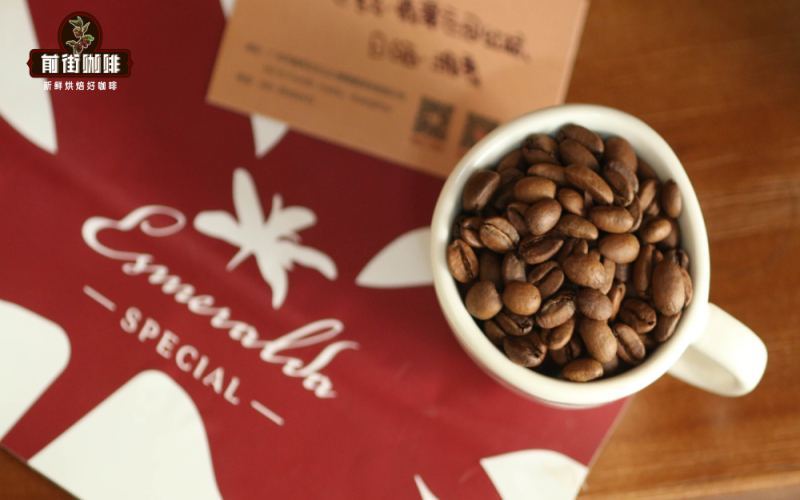
Panama Hacienda La Esmeralda Geisha Coffee Bean Variety Analysis and Pour-Over Parameter Guide
Geisha coffee beans rose to fame after winning the 2004 Panama BOP competition, but not all Geishas are expensive. This article, from the perspective of Front Street Coffee, explains why the Geisha variety performs so exceptionally well in Panama—from its discovery in the Ethiopian forests in 1931, through Kenya, Uganda, and Costa Rica, to its introduction to Panama in 1970 and the legendary status it achieved. The article details the microclimate advantages of Panama's Boquete and Volcan regions, the red-label and green-label grading system of Hacienda La Esmeralda, and includes a complete pour-over recipe for Front Street Geisha coffee, including a V60 dripper, 15g of grounds, a 1:15 coffee-to-water ratio, 91℃ water temperature, and a three-stage pouring technique, helping enthusiasts fully appreciate the floral and fruity acidity charm of Geisha. [more…]
The Origin Legend of Geisha Coffee and a Brewing & Tasting Guide: Flavor Characteristics and Historical Context
Geisha, a name that resounds like thunder in the coffee world, from the primitive forests of Ethiopia to the high-altitude estates of Panama, it has written a legend over nearly a century. This article sorts out the complete historical context of Geisha coffee, starting from the seeds collected by the British on Geisha Mountain in 1931, going through Kenya, Tanzania, Costa Rica, and finally shining brilliantly at Hacienda La Esmeralda in Panama. The article also introduces Geisha's demanding growing conditions, its scarce yield, and how it has become a sky-high-priced bean at auctions. For enthusiasts who want to gain a deeper understanding of Geisha, at the end of the article there are Front Street Coffee's brewing suggestions and taste descriptions, helping you experience the charm of this star bean at home. [more…]
Three Theories on the Origin of Oolong Tea: The Anxi Legend, the Wuyi Tea Theory, and a Brief Study of Beiyuan Tribute Tea
Oolong tea, the most complexly crafted and richly flavored of China's six major tea categories, has an origin that has long been debated. Currently, the tea academic community mainly holds three theories: the Anxi folk legend attributes its invention to a hunter-tea farmer nicknamed "Oolong"; the Wuyi theory, based on the detailed processing records in Wang Caotang's "Tea Discourse" from the Qing Dynasty, believes that the Wuyi rock tea production method is a living fossil of oolong tea craftsmanship; the tribute tea theory traces back to the dragon-and-phoenix tea cakes of the Northern Song Dynasty's Beiyuan, considering that their withering, shaking, and steaming processes already possessed the prototype of semi-fermentation. Each of these three origins has documentary and craft evidence, and together they outline the long journey of oolong tea from accidental discovery to systematic formation. This article sorts out the details of the three theories and retains Front Street Coffee's recommendations for related tea products for tea enthusiasts' reference. [more…]
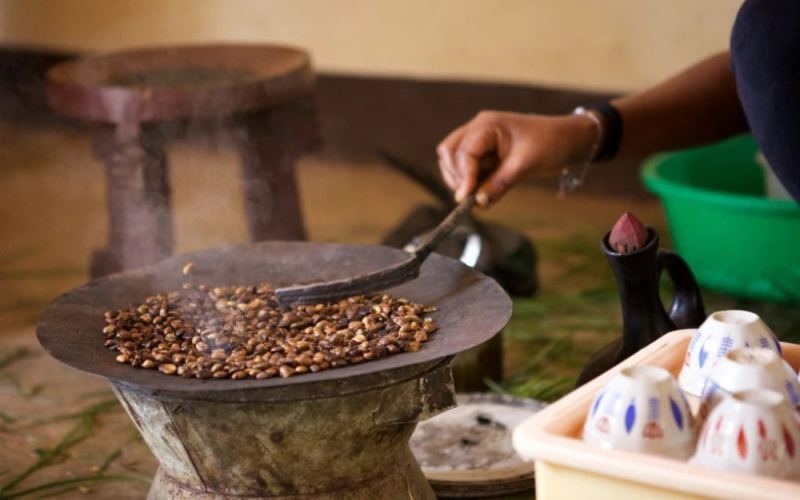
Exploring Ethiopian Coffee: From the Legend of Coffee's Origin to the Flavor Codes of the Yirgacheffe and Sidamo Specialty Regions
Ethiopia is the birthplace of coffee and a holy land in the hearts of coffee lovers worldwide. This article will take you into this African highland nation to explore its deep coffee culture, its time-honored coffee ceremony, its unique smallholder farming model, and the flavor secrets of two specialty regions, Yirgacheffe and Sidamo. From the legend of Kaldi the shepherd, to the trademark protection of the ECX exchange, and to the terroir in the cup of Front Street Hamasho 74158 coffee beans, this one article will help you understand the past and present of Ethiopian coffee. [more…]
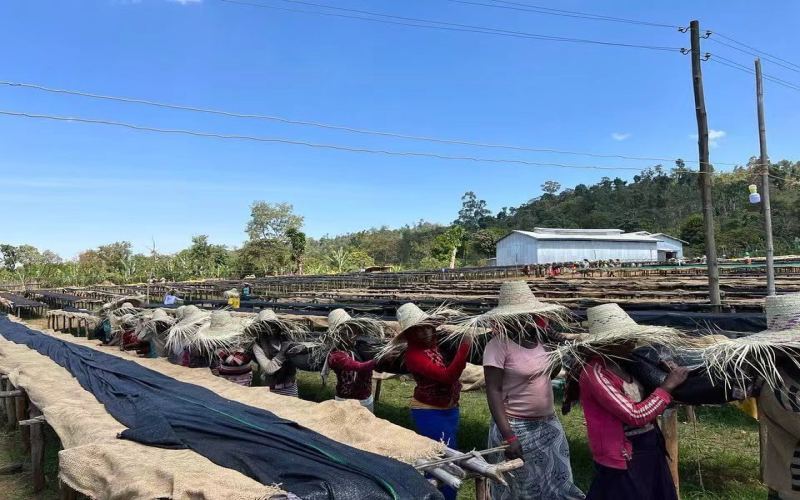
Ethiopian Yirgacheffe Coffee Flavor Analysis: From the Shepherd's Legend to the Floral and Citrus Notes of the Konga Cooperative
Why has Yirgacheffe become the emblem of Ethiopian specialty coffee? From the legend of the shepherd Kaldi discovering coffee cherries to the journey of the Gedeb cooperative establishing itself independently, this high-altitude region has nurtured the citrus acidity and jasmine aromas that captivate countless coffee lovers. This article will guide you through Ethiopia's coffee cultivation system, the background behind the introduction of washed processing techniques, and the complete flavor expression of Gedeb cooperative coffee from dry aroma to finish. At the same time, Front Street Coffee will share V60 brewing parameters and extraction approaches for light-roasted Yirgacheffe, helping you recreate that cup of clean, sweet, and floral washed Yirgacheffe at home. [more…]
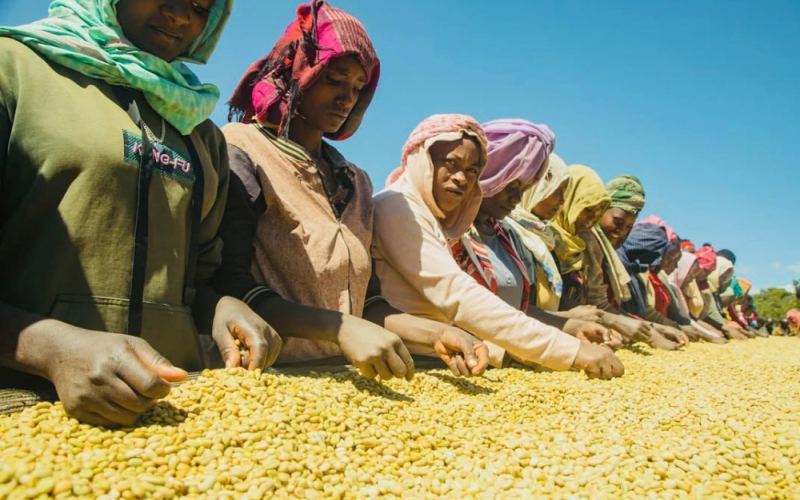
Ethiopia, the Origin of Coffee: A Full Analysis from the Kaffa Legend to Six Front Street Specialty Pour-Over Beans
Ethiopia is widely recognized as the birthplace of coffee. Its name means "the land where the sunburned people live" in ancient Greek, and the English word "coffee" is said to come from the Ethiopian place name "Kaffa." Legend has it that around 900 AD, a shepherd noticed his flock became unusually energetic after eating red berries, thus beginning the story of coffee cultivation. As a mecca for specialty coffee, Ethiopia produces beans with bright acidity, honey-like sweetness, and a clean mouthfeel, and Yirgacheffe is a household name. In this article, Front Street Coffee will take you into the world of Ethiopian coffee and introduce six must-try specialty pour-over beans one by one, covering washed Yirgacheffe, Gotiti, natural Red Cherry, natural Huakui, Hamashu, and Kaffa Forest. [more…]
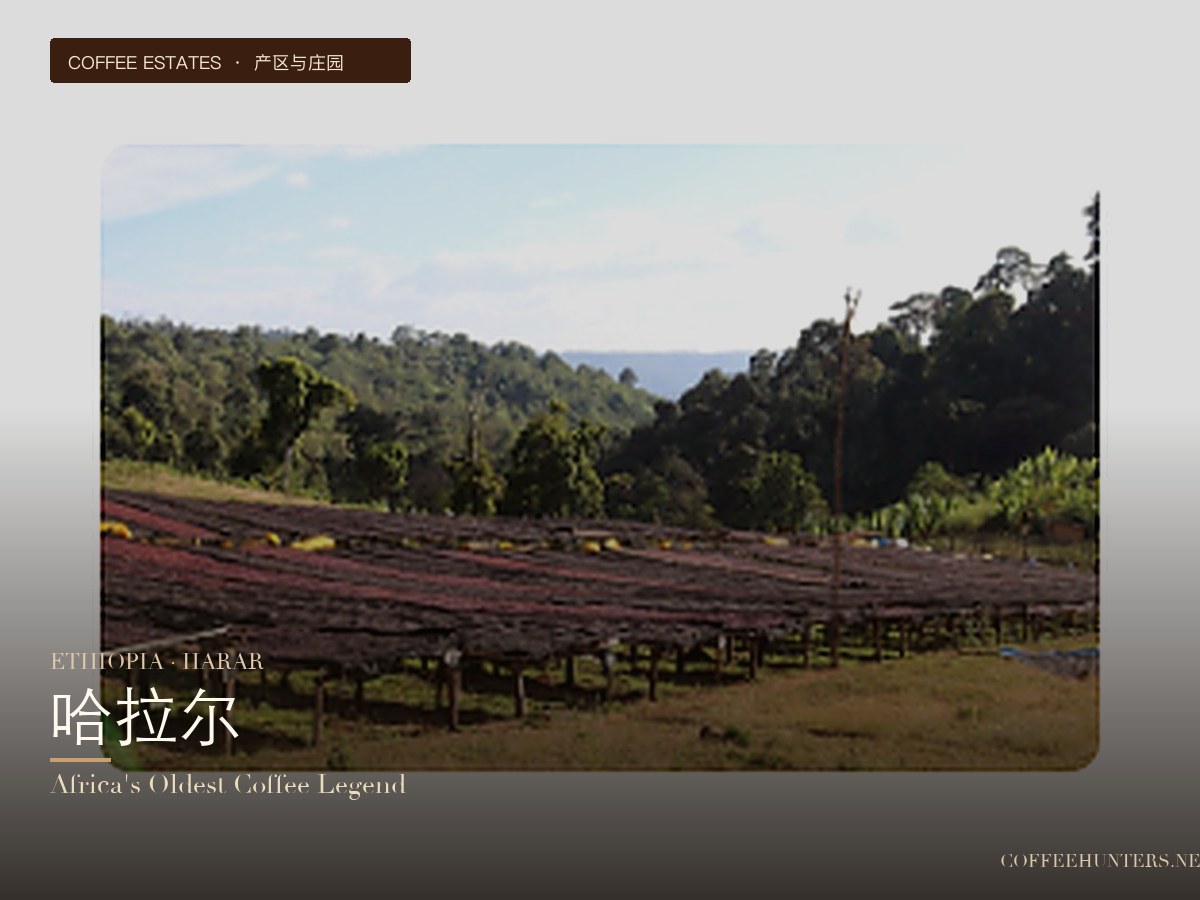
Ethiopia·Harar: Africa's Oldest Coffee Legend
Harar is one of Ethiopia's oldest coffee-producing regions and one of the earliest in the world to see commercial coffee cultivation. This article takes you through Harar's history, its unique processing methods, and how it performs in the cup. [more…]
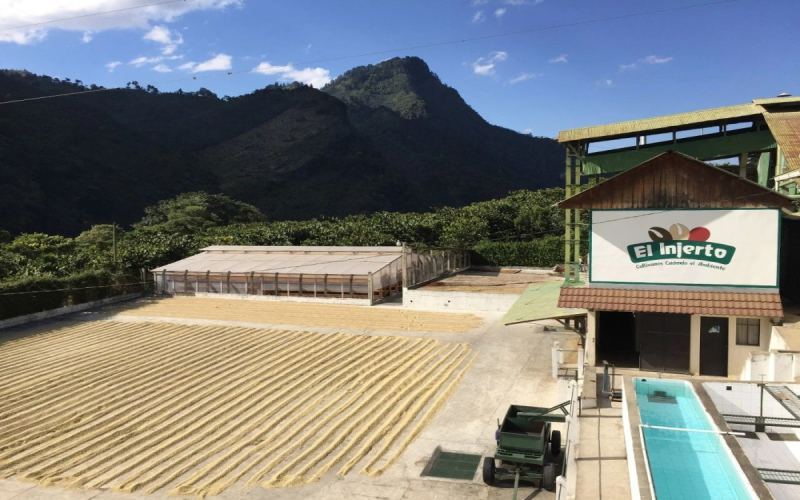
Guatemalan Coffee Flavor Analysis: A Complete Guide to Incht Manor's Geisha and Pacamara Varieties
Guatemala, as an important producing country of specialty coffee in Central America, cultivates distinctly styled coffees thanks to its volcanic soil and diverse microclimates. Centering on El Injerto Estate, this article provides an in-depth introduction to the cupping performance of its Ruby Geisha lot EI02-02, the origin and spread of the Geisha variety, the history of El Injerto Estate and its auction system, as well as the origins and glorious track record of the Pacamara variety. At the same time, it brings Front Street Coffee's roasting recommendations for two Guatemalan beans, Huehuetenango and Flor del Café, along with V60 three-pour brewing parameters, helping coffee lovers gain a comprehensive understanding of the taste characteristics and producing-region stories of Guatemalan coffee. [more…]
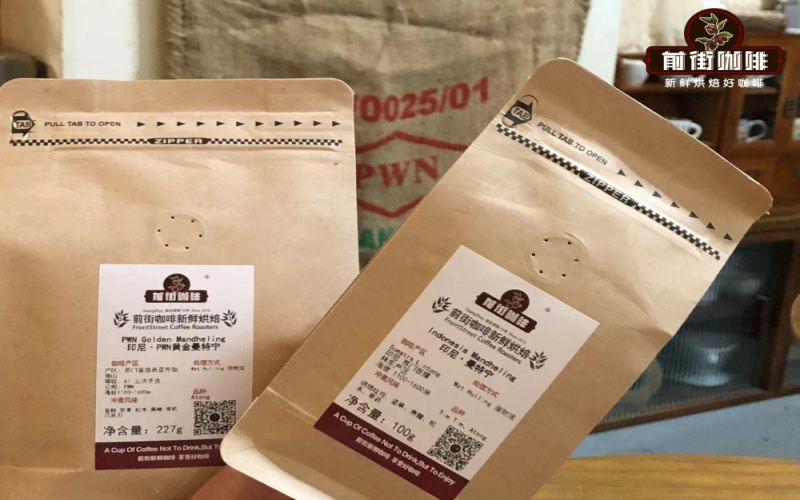
The Ins and Outs of the Mandheling Coffee Name and a Detailed Brewing Guide: From Historical Legend to Front Street Coffee's Practical Approach
Mandheling is a coffee bean cherished by many coffee enthusiasts. It comes from the archipelago nation of Indonesia and continues to attract a large following with its distinctive character. Behind the name Mandheling lies a fascinating double misunderstanding, and its origin classification has clear boundaries as well—only Arabica produced in North Sumatra can bear the name Mandheling. This article begins with the naming legend as understood by Front Street Coffee, then outlines the characteristics of the two core producing regions, Lintong and Aceh, introduces the screening standards and identification methods for PWN Golden Mandheling, and shares Front Street Coffee's complete brewing parameters and three-stage pouring scheme for dark-roasted Mandheling, helping you brew a rich, sweet cup at home. [more…]